ZYNYZ® was studied against the previous standard of care1

The first ever completed phase 3 study of a PD-1 inhibitor in SCAC

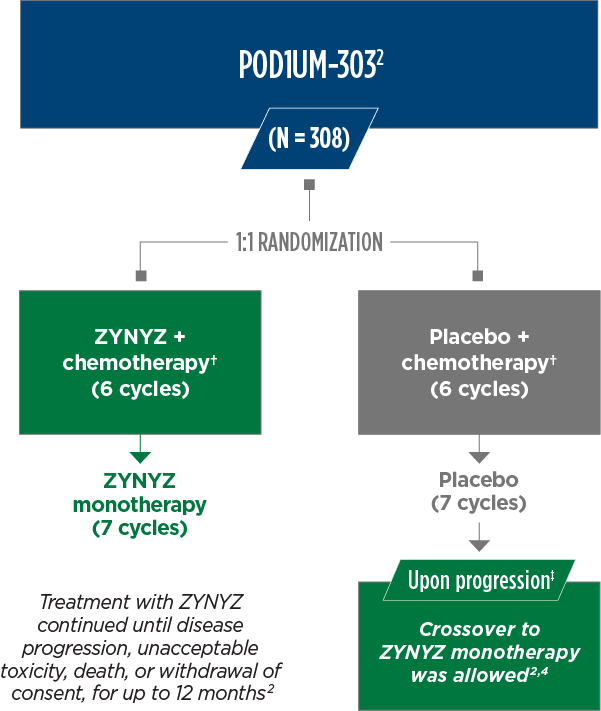
POD1UM-303/InterAACT 2 Study Design

POD1UM-303 is a randomized, multicenter, double-blind, phase 3 trial in 308 adult patients with chemotherapy-naïve inoperable locally recurrent or metastatic squamous cell carcinoma of the anal canal (SCAC) that compared ZYNYZ or placebo in combination with carboplatin/paclitaxel.2,3

SELECT ELIGIBILITY CRITERIA2

POD1UM-303 enrolled patients who had not received prior PD-(L)1–directed therapy or systemic therapy (other than a radiosensitizing agent or neoadjuvant/adjuvant therapy completed >6 months prior to study entry).
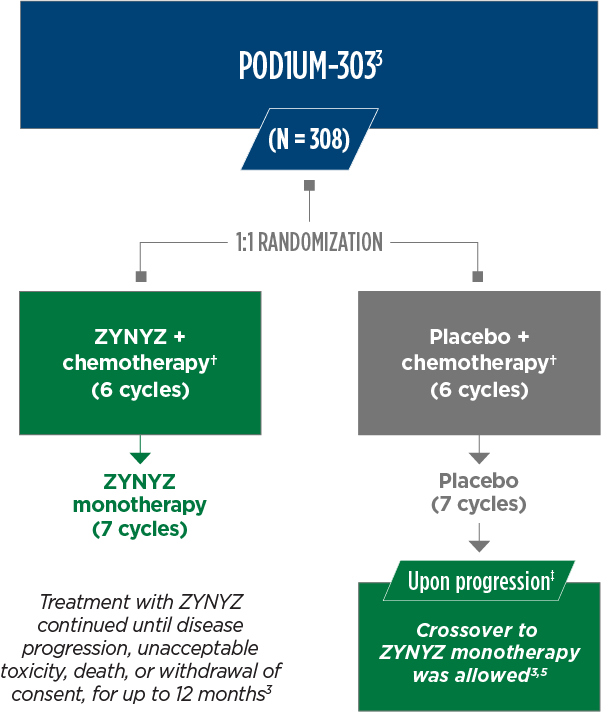
A chart depicting the POD1UM-303 study design, including the 1:1 randomization process of its 308 total patients into either the ZYNYZ® + chemotherapy group or the placebo + chemotherapy group to receive 6 cycles of their respective combination therapy, followed by 7 cycles of monotherapy with either ZYNYZ or placebo—with some patients in the placebo group being crossed over to ZYNYZ monotherapy if their SCAC progressed.  Meanwhile, treatment with ZYNYZ continued for up to 12 months, or until the SCAC progr
 

SELECT PATIENT DEMOGRAPHICS1,2

  • 3.6% HIV positive
  • 36% liver metastases
  • 72% female
  • Median age: 62 years (range: 29-86)
 

MAJOR EFFICACY OUTCOMES2,4

  • Primary endpoint: PFS measured by BICR*
  • Key secondary endpoint: OS
  • Additional secondary endpoints:
    • ORR, DOR, DCR, safety
 
A chart depicting the POD1UM-303 study design, including the 1:1 randomization process of its 308 total patients into either the ZYNYZ® + chemotherapy group or the placebo + chemotherapy group to receive 6 cycles of their respective combination therapy, followed by 7 cycles of monotherapy with either ZYNYZ or placebo—with some patients in the placebo group being crossed over to ZYNYZ monotherapy if their SCAC progressed.  Meanwhile, treatment with ZYNYZ continued for up to 12 months, or until the SCAC progr

Patients with well-controlled HIV were eligible to enroll in POD1UM-303

*Defined as the time from the date of randomization until disease progression according to RECIST v1.1 by BICR or death due to any cause.2,4

ZYNYZ or placebo were given Q4W IV alongside chemotherapy per SOC (28-day cycle): carboplatin (AUC 5 on day 1) and paclitaxel (80 mg/m2 on days 1, 8, and 15).2,4

Documentation of verified radiographic progression of disease by BICR assessment.2,4

§CD4+ count ≥200 cells/μL, undetectable viral load, and receiving antiretroviral therapy.2

AUC, area under the curve; BICR, blinded independent central review; CD, cluster of differentiation; DCR, disease control rate; DOR, duration of response; HIV, human immunodeficiency virus; ORR, overall response rate; OS, overall survival; PD-(L)1, programmed death receptor (ligand)-1; PFS, progression-free survival; Q4W, every 4 weeks; RECIST, Response Evaluation Criteria in Solid Tumors; SOC, standard of care.

ZYNYZ: a paradigm-shifting PD-1 inhibitor

icon-small-z-blue.svg

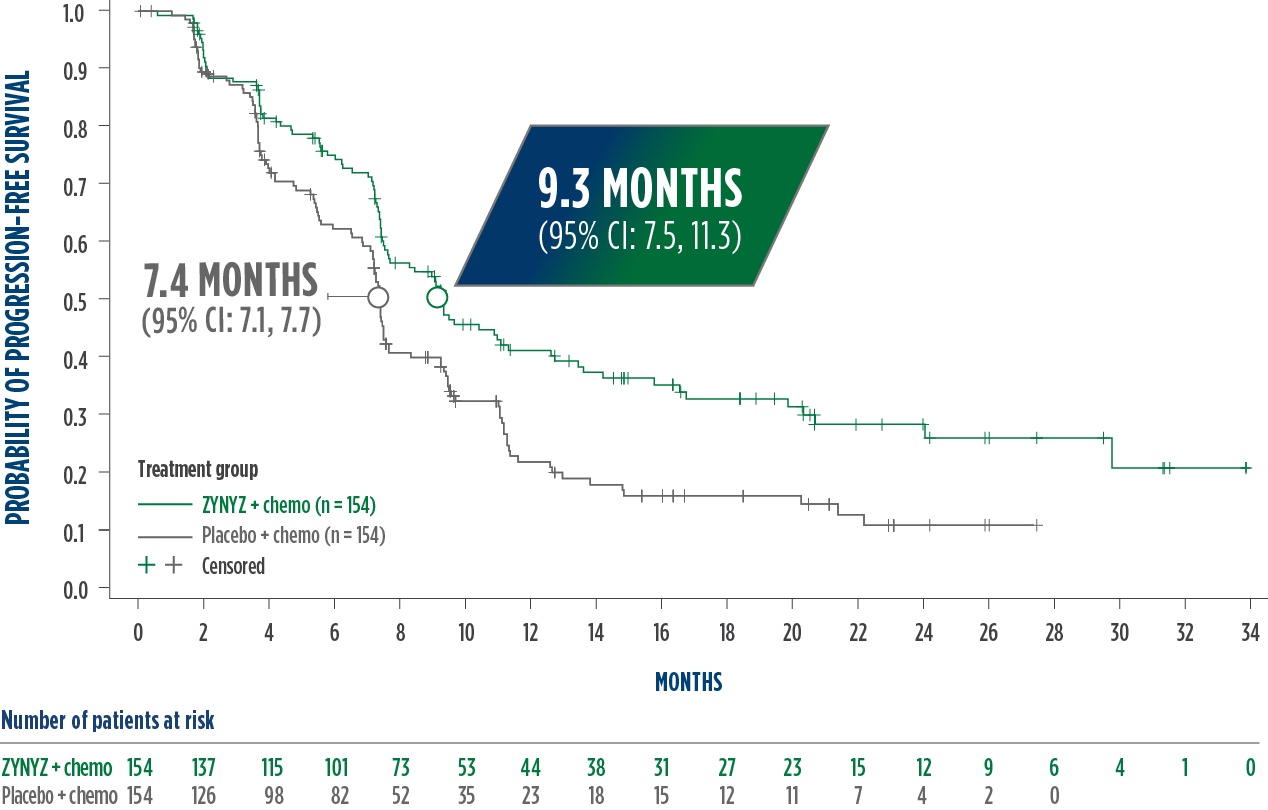
PROGRESSION-FREE SURVIVAL | PRIMARY ENDPOINT

HR (95% CI)*: 0.63 (0.47, 0.84); P = 0.0006

37% reduction in the risk of disease progression or death

with ZYNYZ + carboplatin/paclitaxel vs placebo + carboplatin/paclitaxel2

icon-small-z-blue.svg

PROGRESSION-FREE SURVIVAL | PRIMARY ENDPOINT

HR (95% CI)*: 0.63 (0.47, 0.84); P  = 0.0006

A graph depicting a 37% reduction in the risk of disease progression or death with ZYNYZ® + carboplatin/paclitaxel vs placebo + carboplatin/paclitaxel. It shows the difference in the probability of progression-free survival between ZYNYZ + chemo vs placebo + chemo over 34 months with an overall outcome of HR (95% CI): 0.63 (0.47, 0.84); P=0.0006.  It also highlights the 9.3 months (95% CI: 7.5, 11.3) data point for ZYNYZ + chemo and the 7.4 months (95% CI: 7.1, 7.7) data point for placebo + chemo.

Events: 60% (n = 92) with ZYNYZ + chemotherapy vs 71%  (n = 110) with placebo + chemotherapy.

*Based on stratified Cox model.

One-sided P value based on stratified log-rank test.

CI, confidence interval; HR, hazard ratio.

Overall survival results from POD1UM-303

Overall survival results from POD1UM-303

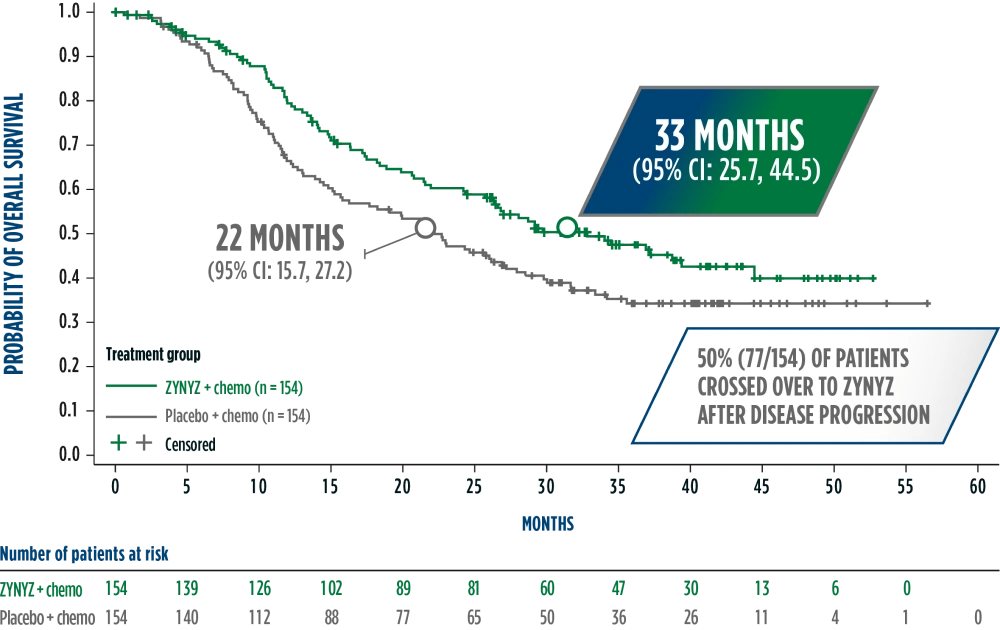
33 months median overall survival with ZYNYZ + chemotherapy

22 months for placebo + chemotherapy5
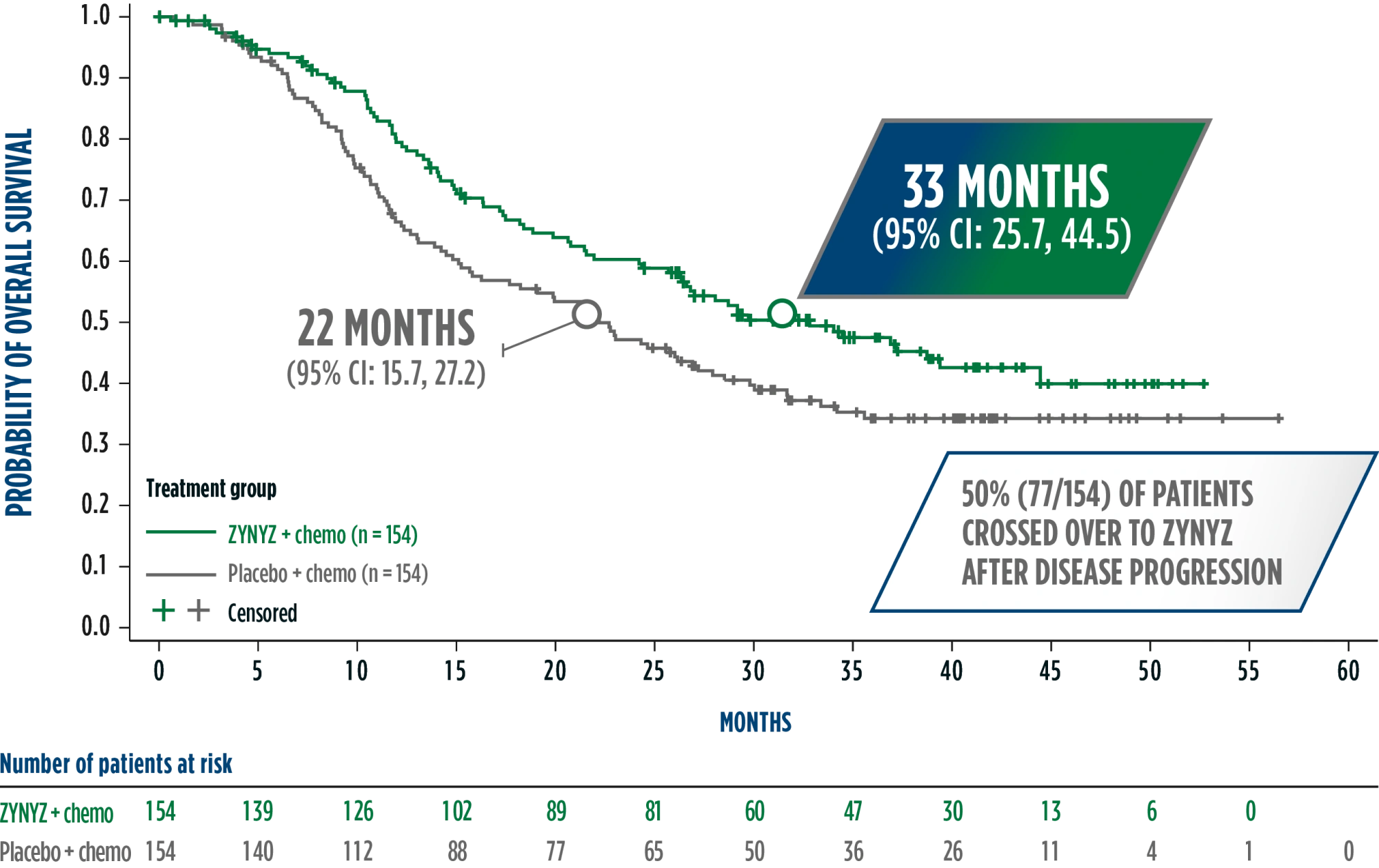
HR (95% CI): 0.75 (0.55, 1.01)

A chart depicting the 33 months median overall survival with ZYNYZ® + chemotherapy vs 22 months for placebo + chemotherapy over 60 months.  It highlights the 33 months (95% CI: 25.7, 44.5) data point for ZYNYZ + chemo and 22 months (95% CI: 15.7, 27.2) data point for placebo + chemo, including a callout that 50% (77/154) of patients crossed over to ZYNYZ after disease progression.

Deaths: 51% (n = 78) with ZYNYZ + chemotherapy vs 61% (n = 94) with placebo + chemotherapy.

Based on stratified Cox model.

  • The FDA-reviewed interim analysis showed a 29-month median OS for ZYNYZ + chemotherapy (95% CI: 24.2, NE) and a 23-month median OS for placebo + chemotherapy (95% CI: 15.1, 27.9).2

LIMITATIONS:

The results of the overall survival analyses, both interim and final, did not reach statistical significance. The crossover adjustment using the RPSFT model was conducted as a post-hoc analysis. These results need cautious interpretation and could represent a chance finding.

Data from the final OS analysis are not currently included in the prescribing information.

NE, not evaluable; RPSFT, rank-preserving structural failure time.

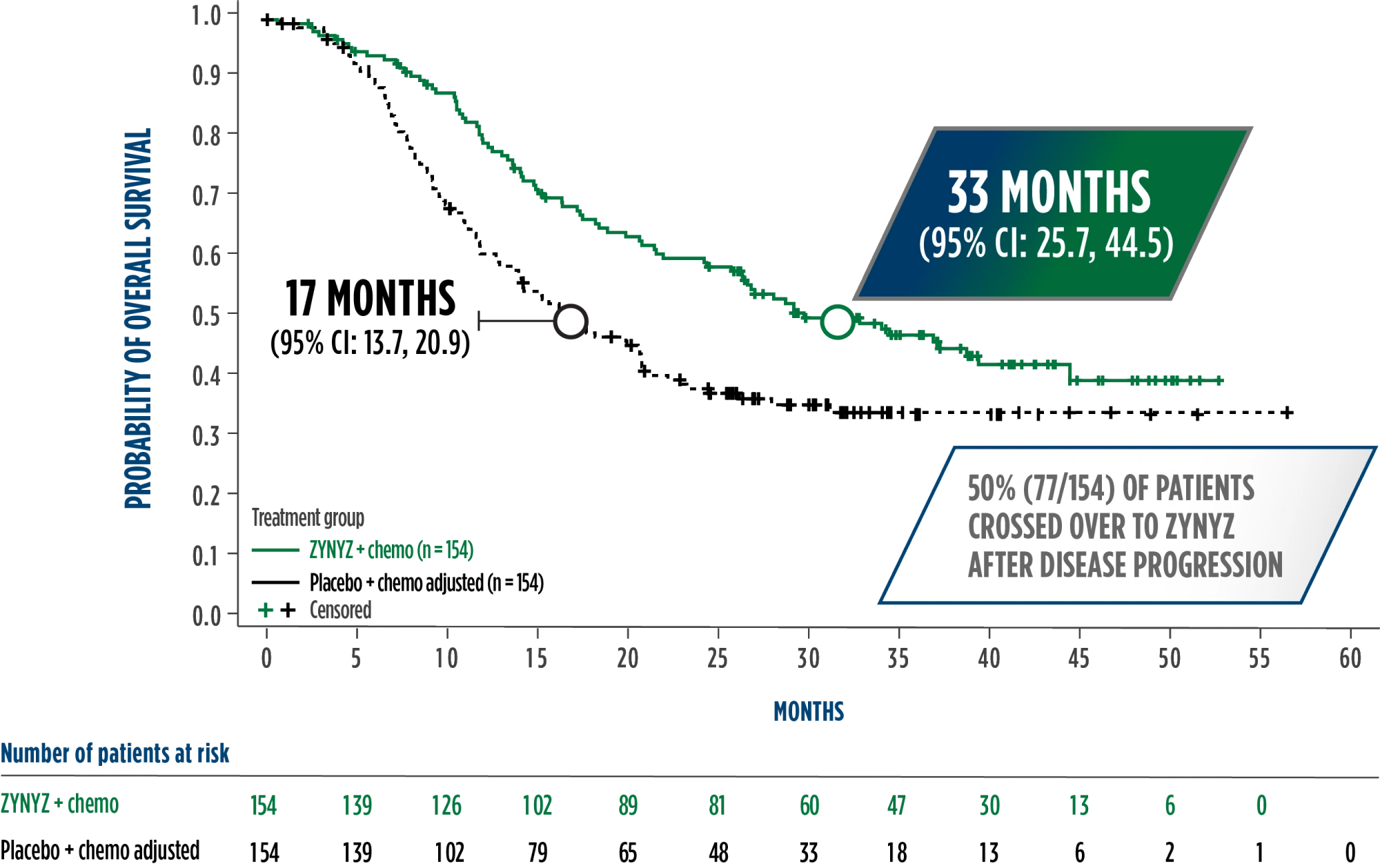
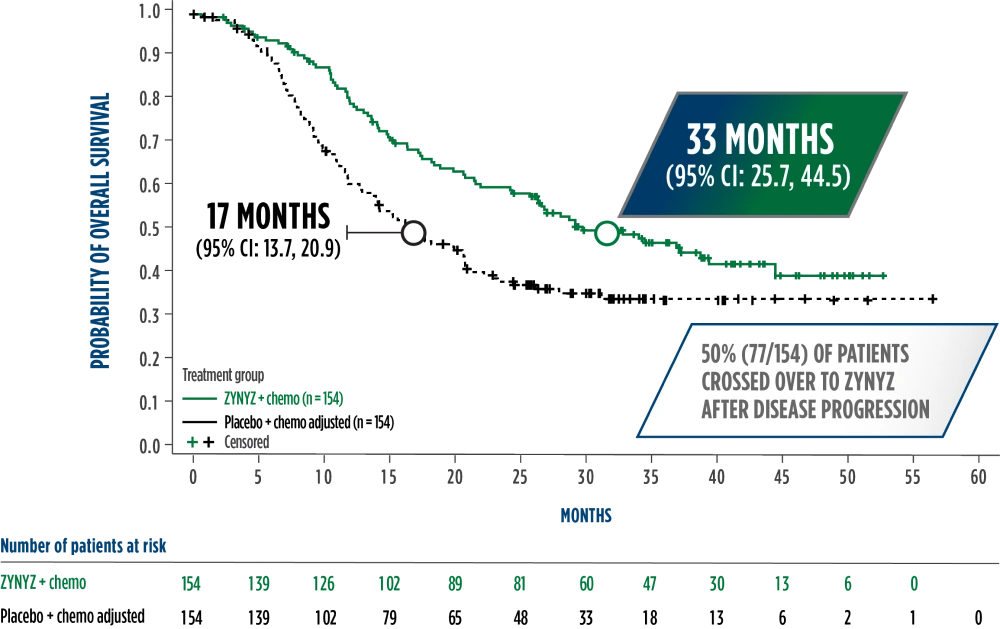
After adjusting for crossover using the rank-preserving structural failure time (RPSFT) model, there was a 16-month difference in the estimated median OS in the ZYNYZ + chemotherapy group compared with the placebo + chemotherapy group

HR (95% CI): 0.63 (0.47, 0.86)

A chart showcasing a 16-month difference in the estimated median OS in the ZYNYZ® + chemotherapy group compared to the placebo + chemotherapy group—adjusted for crossover—over 60 months.   It highlights the 33 months (95% CI: 25.7, 44.5) data point for ZYNYZ + chemo, the 17 months (95% CI: 13.7, 20.9) data point for placebo + chemo adjusted, and 22 months (95% CI: 15.7, 27.2) data point for placebo + chemo, including a callout that 50% (77/154) of patients crossed over to ZYNYZ after disease progression.

Chemotherapy regimen consisted of carboplatin/paclitaxel.

Deaths: 51% (n = 78) with ZYNYZ + chemotherapy vs 61% (n = 94) with placebo + chemotherapy.

§A statistical model known as RPSFT was used to estimate overall survival as if crossover had not occurred.5

Based on stratified Cox model.

  • The median OS from the primary analysis for the placebo + chemotherapy group was 22 months (95% CI: 15.7, 27.2)

LIMITATIONS:

The results of the overall survival analyses, both interim and final, did not reach statistical significance. The crossover adjustment using the RPSFT model was conducted as a post-hoc analysis. These results need cautious interpretation and could represent a chance finding.

Data from the final OS analysis are not currently included in the prescribing information.

Responses with ZYNYZ® lasted ~2x as long2

ZYNYZ + CARBOPLATIN/PACLITAXEL

PLACEBO + CARBOPLATIN/PACLITAXEL
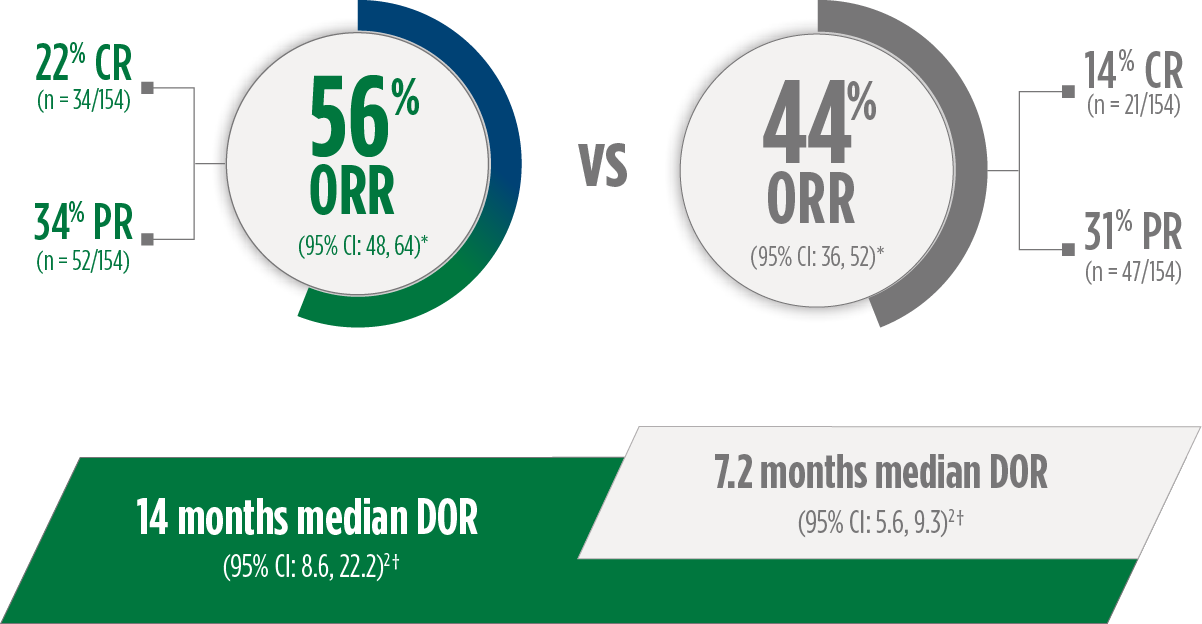
A chart highlighting that responses with ZYNYZ® lasted ~2x as long as placebo: a green 56% ORR (95% CI: 48, 64) for ZYNYZ + carboplatin/paclitaxel in a tan circle with a blue-green gradient surrounding 56% of the circle, including a 22% CR (n = 34/154) and a 34% PR (n = 52/154) callout emerging from the open side of the circle vs a gray 44% ORR (95% CI: 36, 52) for placebo + carboplatin/paclitaxel in a gray circle with a thick gray line surrounding 44% of the circle, including a 14% CR (n = 21/154) and a 31

ZYNYZ + CARBOPLATIN/PACLITAXEL

PLACEBO + CARBOPLATIN/PACLITAXEL
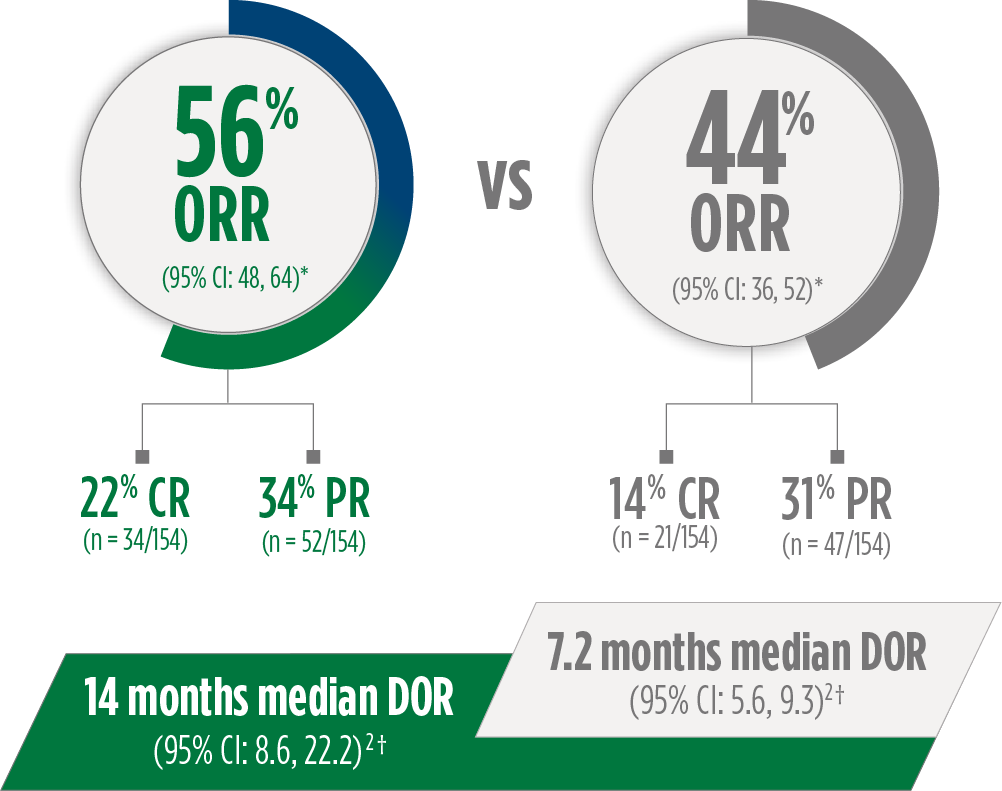
A chart highlighting that responses with ZYNYZ® lasted ~2x as long as placebo: a green 56% ORR (95% CI: 48, 64) for ZYNYZ + carboplatin/paclitaxel in a tan circle with a blue-green gradient surrounding 56% of the circle, including a 22% CR (n = 34/154) and a 34% PR (n = 52/154) callout emerging from the open side of the circle vs a gray 44% ORR (95% CI: 36, 52) for placebo + carboplatin/paclitaxel in a gray circle with a thick gray line surrounding 44% of the circle, including a 14% CR (n = 21/154) and a 31

*ORR assessed by BICR. 

DOR assessed by BICR.

CR, complete response; PR, partial response.

POD1UM-202 Study Design

POD1UM-202 was an open-label, multicenter, single-arm, phase 2 study that evaluated ZYNYZ monotherapy in adult patients with locally recurrent or metastatic SCAC who progressed on or were intolerant of platinum-based chemotherapy.2,6

SELECT ELIGIBILITY CRITERIA2,6

  • Inclusion criteria:
    • Progression on or intolerance of platinum-based chemotherapy*
    • Well-controlled HIV (if positive)
    • ECOG performance status 0-1
  • Exclusion criteria:
    • Prior PD-(L)1–directed therapy
    • Active autoimmune disease or medical condition requiring immunosuppression
 

SELECT PATIENT DEMOGRAPHICS2,6

  • 10% HIV positive
  • 42% liver metastases
  • 49% ≥65 years (range: 37-94)
  • 65% female
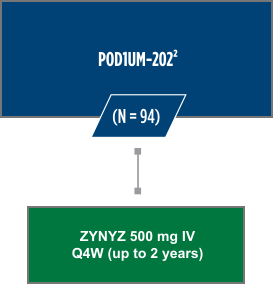
A chart depicting the POD1UM-202 study design of 94 patients receiving ZYNYZ® 500 mg IV Q4W for up to 2 years or until the SCAC progressed or patients experienced unacceptable toxicity.

Treatment continued until disease progression, unacceptable toxicity, or up to 24 months

*Patients who had received platinum-based therapy had received no more than 2 lines of prior systemic therapy for metastatic disease; patients who were ineligible for platinum-based therapy received at least one prior line of systemic therapy.6

CD4+ count ≥300 cells/µL, undetectable viral load, and receiving antiretroviral therapy.2,6

As assessed by an independent central review committee according to RECIST v1.1.2,6

2L, second-line.
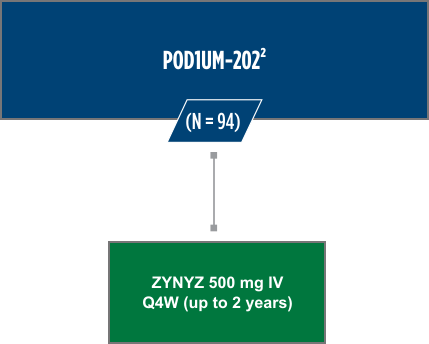
 
A chart depicting the POD1UM-202 study design of 94 patients receiving ZYNYZ® 500 mg IV Q4W for up to 2 years or until the SCAC progressed or patients experienced unacceptable toxicity.

Treatment continued until disease progression, unacceptable toxicity, or up to 24 months


MAJOR EFFICACY OUTCOMES2,6‡

  • Primary endpoint: ORR
  • Key secondary endpoint: DOR

*Patients who had received platinum-based therapy had received no more than 2 lines of prior systemic therapy for metastatic disease; patients who were ineligible for platinum-based therapy received at least one prior line of systemic therapy.6

CD4+ count ≥300 cells/µL, undetectable viral load, and receiving antiretroviral therapy.2

As assessed by an independent central review committee according to RECIST v1.1.2,6

2L, second-line.

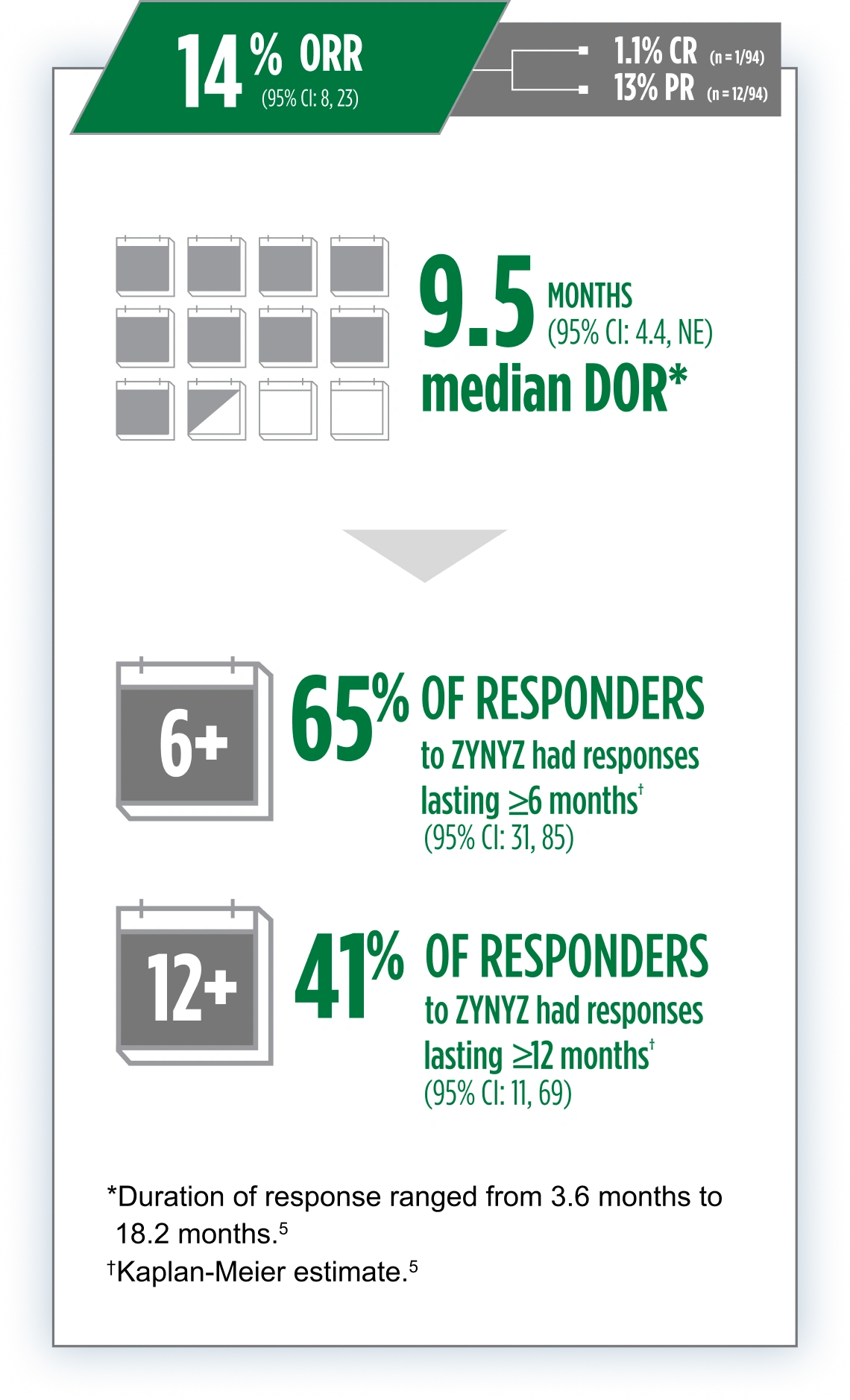
ZYNYZ monotherapy led to durable responses in 2L locally recurrent or metastatic SCAC2
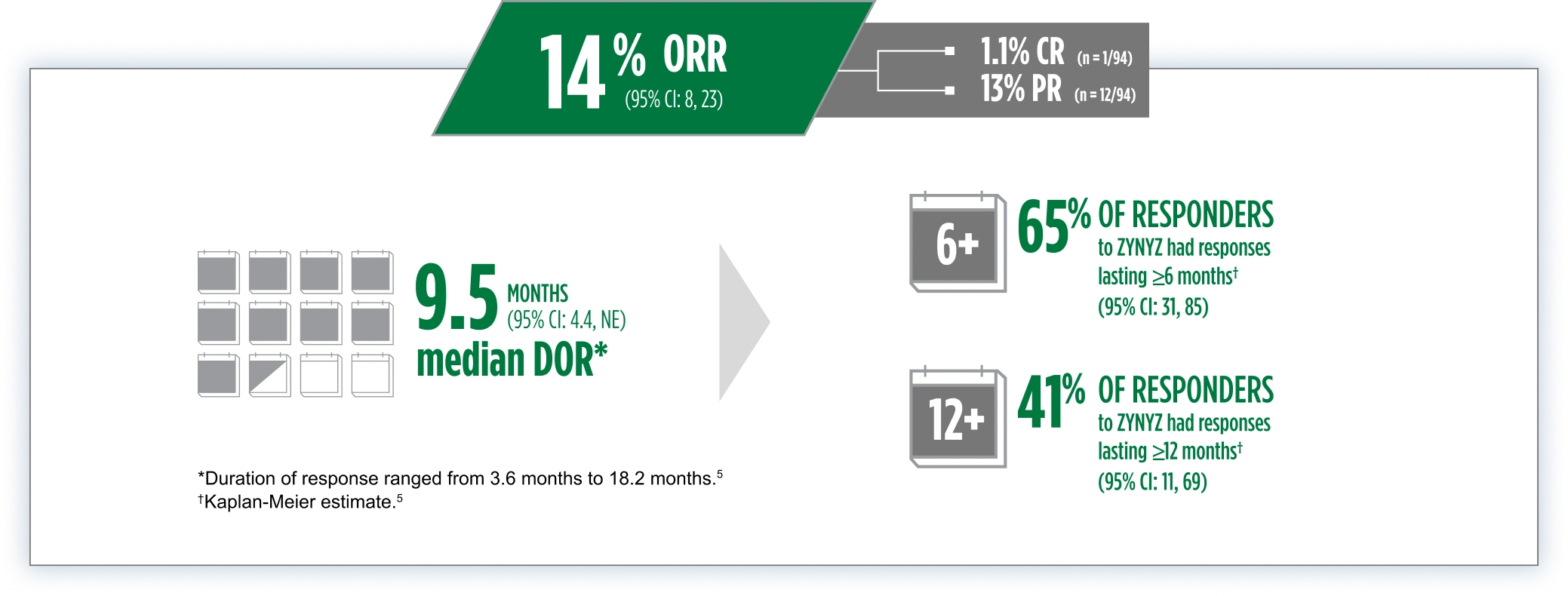
A chart depicting the durability of ZYNYZ® as a monotherapy for 2L locally recurrent or metastatic SCAC, highlighting a 14% ORR (95% CI: 8, 23)—with 1.1% CR (n = 1/94) and 13% PR (n = 12/94).  It also highlights a 9.5 months (95% CI: 4.4, NE) median DOR, with 65% of patients who received ZYNYZ having responses that lasted 6 months or more (95% CI: 31, 85) and 41% of ZYNYZ patients having responses that lasted 12 months or longer (95% CI: 11, 69).

References: 1. Rao S, Samalin-Scalzi E, Evesque L, et al. Retifanlimab with carboplatin and paclitaxel for locally recurrent or metastatic squamous cell carcinoma of the anal canal (POD1UM-303/InterAACT-2): a global, phase 3 randomised controlled trial. Lancet. 2025;405(10495):2144-2152. 2. ZYNYZ Prescribing Information. Wilmington, DE: Incyte Corporation. 3. Carboplatin-paclitaxel with retifanlimab or placebo in participants with locally advanced or metastatic squamous cell anal carcinoma (POD1UM-303/InterAACT 2). NIH National Library of Medicine. Accessed October 29, 2025. https://clinicaltrials.gov/ct2/show/NCT04472429. 4. Rao S, Jones M, Bowman J, Tian C, Spano JP. POD1UM-303/InterAACT 2: A phase III, global, randomized, double-blind study of retifanlimab or placebo plus carboplatin-paclitaxel in patients with locally advanced or metastatic squamous cell anal carcinoma. Front Oncol. 2022;12:935383. doi:10.3389.fonc.2022.935383. 5. Data on file. Incyte Corporation. 6. Rao S, Anandappa G, Capdevila J, et al. A phase II study of retifanlimab (INCMGA00012) in patients with squamous cell carcinoma of the anal canal who have progressed following platinum-based chemotherapy (POD1UM-202). ESMO Open. 2022;7(4):100529. doi:10.1016/j.esmoop.2022.100529.

Indications and Usage

Squamous Cell Carcinoma of the Anal Canal

ZYNYZ, in combination with carboplatin and paclitaxel, is indicated for the first-line treatment of adult patients with inoperable locally recurrent or metastatic squamous cell carcinoma of the anal canal (SCAC).

ZYNYZ, as a single agent, is indicated for the treatment of adult patients with locally recurrent or metastatic SCAC with disease progression on or intolerance to platinum-based chemotherapy.

IMPORTANT SAFETY INFORMATION

Severe and Fatal Immune-Mediated Adverse Reactions

Important immune-mediated adverse reactions listed may not be inclusive of all possible severe and fatal immune-mediated reactions.

Immune-mediated adverse reactions, which may be severe or fatal, can occur in any organ system or tissue, can occur at any time after starting or discontinuing treatment with a PD-1/PD-L1–blocking antibody, and can affect more than one body system simultaneously.

Monitor patients closely for symptoms and signs that may be clinical manifestations of such reactions. Early identification and management of immune-mediated adverse reactions are essential to ensure safe use of PD-1/PD-L1–blocking antibodies. Evaluate liver enzymes, creatinine, and thyroid function at baseline and periodically during treatment. If suspected, initiate appropriate workup to exclude alternative etiologies, including infection. Institute medical management promptly, including specialty consultation as appropriate.

Withhold or permanently discontinue ZYNYZ depending on severity. In general, if ZYNYZ requires interruption or discontinuation, administer systemic corticosteroid therapy (1-2 mg/kg/day prednisone or equivalent) until improvement to ≤ Grade 1. Then, initiate corticosteroid taper and continue to taper over at least 1 month. Consider administration of other systemic immunosuppressants in patients whose adverse reactions are not controlled with corticosteroids.

Immune-Mediated Pneumonitis

ZYNYZ can cause immune-mediated pneumonitis. Immune-mediated pneumonitis occurred in 3.1% (14/452) of patients, including 1 (0.2%) patient with fatal pneumonitis, Grade 3 (0.9%), and Grade 2 (1.3%) reactions. Pneumonitis led to permanent discontinuation of ZYNYZ in 1 patient and withholding in 1.1%.

Systemic corticosteroids were required in 71% (10/14) of patients. Pneumonitis resolved in 11 of the 14 patients.

Immune-Mediated Colitis

ZYNYZ can cause immune-mediated colitis. Cytomegalovirus infections/reactivations have occurred in patients with corticosteroid-refractory immune-mediated colitis treated with PD-1/PD-L1–blocking antibodies. In cases of corticosteroid-refractory colitis, consider repeating infectious workup to exclude alternative etiologies.

ZYNYZ as a Single Agent: Immune-mediated colitis occurred in 2.7% (12/452) of patients, including Grade 4 (0.2%), Grade 3 (0.4%), and Grade 2 (1.1%). Colitis led to permanent discontinuation of ZYNYZ in 0.9% of patients and withholding in 1.3%. Systemic corticosteroids were required in 75% (9/12) of patients. Colitis resolved in 8/12 patients.

ZYNYZ in Combination with Carboplatin and Paclitaxel: Immune-mediated colitis occurred in 10% (16/154) of patients receiving ZYNYZ in combination with carboplatin and paclitaxel, including Grade 4 (0.6%), Grade 3 (2.6%), and Grade 2 (3.2%). Colitis led to permanent discontinuation of ZYNYZ in 2 patients and withholding of ZYNYZ in 2 patients. Systemic corticosteroids were required in 94% (15/16) of patients. Colitis resolved in 15 of the 16 patients.

Immune-Mediated Hepatitis

ZYNYZ can cause immune-mediated hepatitis. Immune-mediated hepatitis occurred in 3.5% (16/452) of patients, including Grade 4 (0.2%), Grade 3 (2.4%), and Grade 2 (0.9%). Hepatitis led to permanent discontinuation of ZYNYZ in 1.5% of patients and withholding in 1.1%.

Systemic corticosteroids were required in 81% (13/16) of patients. Hepatitis resolved in 9/16 patients.

Immune-Mediated Endocrinopathies

Adrenal Insufficiency

ZYNYZ can cause primary or secondary adrenal insufficiency. For ≥ Grade 2 adrenal insufficiency, initiate symptomatic treatment per institutional guidelines, including hormone replacement as clinically indicated. Withhold or permanently discontinue ZYNYZ depending on severity.

ZYNYZ as a Single Agent: Adrenal insufficiency occurred in 0.9% (4/452) of patients, including Grade 3 (0.4%) and Grade 2 (0.4%). ZYNYZ was permanently discontinued in no patients and was withheld for 1 patient with adrenal insufficiency. All patients required systemic corticosteroids. Adrenal insufficiency resolved in 1 of the 4 patients.

ZYNYZ in Combination with Carboplatin and Paclitaxel: Adrenal insufficiency occurred in 5.8% (9/154) of patients receiving ZYNYZ in combination with carboplatin and paclitaxel, including Grade 3 and Grade 2 (1.9% each). Adrenal insufficiency led to permanent discontinuation of ZYNYZ in 1 patient and withholding of ZYNYZ in 3 patients. All patients required systemic corticosteroids. Adrenal insufficiency resolved in 4 of the 9 patients.

Hypophysitis

ZYNYZ can cause immune-mediated hypophysitis. Hypophysitis can present with acute symptoms associated with mass effect such as headache, photophobia, or visual field cuts, and can cause hypopituitarism. Initiate hormone replacement as clinically indicated. Withhold or permanently discontinue ZYNYZ depending on severity.

Hypophysitis occurred in 0.7% (3/452) of patients receiving ZYNYZ, including Grade 3 (0.2%) and Grade 2 (0.4%). Hypophysitis led to permanent discontinuation of ZYNYZ in 1 patient and withholding of ZYNYZ in 1 patient.

All patients required systemic steroids. Hypophysitis resolved in 1 of the 3 patients.

Thyroid Disorders

ZYNYZ can cause immune-mediated thyroid disorders. Thyroiditis can present with or without endocrinopathy. Hypothyroidism can follow hyperthyroidism. Initiate hormone replacement or medical management of hyperthyroidism as clinically indicated. Withhold or permanently discontinue ZYNYZ depending on severity.

Thyroiditis occurred in 0.7% (3/452, all Grade 1) of patients. No patients discontinued or withheld ZYNYZ due to thyroiditis. Thyroiditis resolved in 1 of the 3 patients.

Hypothyroidism

Hypothyroidism occurred in 10% (46/452) of patients receiving ZYNYZ, including Grade 2 (4.9%). No patients discontinued due to hypothyroidism. ZYNYZ was withheld in 0.4% of patients.

Systemic corticosteroids were required for 1 patient, and 78% (36/46) of patients received endocrine therapy.

Hyperthyroidism

Hyperthyroidism occurred in 6% (26/452) of patients receiving ZYNYZ, including Grade 2 (2.7%). ZYNYZ was not discontinued in any patient and was withheld in 0.4% of patients. Systemic corticosteroids were required for 15% (4/26) of patients, and 50% (13/26) of patients received endocrine therapy.

Type 1 Diabetes Mellitus, Which Can Present with Diabetic Ketoacidosis

Monitor patients for hyperglycemia or other signs and symptoms of diabetes. Initiate treatment with insulin as clinically indicated. Withhold ZYNYZ depending on severity.

Type 1 diabetes mellitus occurred in 0.2% (1/452) of patients, including Grade 3 (0.2%).

Immune-Mediated Nephritis with Renal Dysfunction

ZYNYZ can cause immune-mediated nephritis. Immune-mediated nephritis occurred in 2% (9/452) of patients receiving ZYNYZ, including Grade 4 (0.4%), Grade 3 (1.1%), and Grade 2 (0.4%). Nephritis led to permanent discontinuation of ZYNYZ in 1.1% of patients and withholding in 0.7% of patients.

Systemic corticosteroids were required in 67% (6/9) of patients. Nephritis resolved in 4/9 patients.

Immune-Mediated Dermatologic Adverse Reactions

ZYNYZ can cause immune-mediated rash or dermatitis. Bullous and exfoliative dermatitis, including Stevens-Johnson syndrome, drug rash with eosinophilia and systemic symptoms, and toxic epidermal necrolysis, has occurred with PD-1/PD-L1–blocking antibodies. Topical emollients and/or topical corticosteroids may be adequate to treat mild to moderate non-exfoliative rashes. Withhold or permanently discontinue ZYNYZ depending on severity.

Immune-mediated skin reactions occurred in 10% (43/452) of patients, including Grade 4 (0.2%), Grade 3 (1.1%), and Grade 2 (8%). Immune-mediated dermatologic adverse reactions led to permanent discontinuation of ZYNYZ in 0.7% of patients and withholding in 2.7% of patients.

Systemic corticosteroids were required in 33% (14/43) of patients. Immune-mediated dermatologic adverse reactions resolved in 72% (31/43) of patients.

Other Immune-Mediated Adverse Reactions

The following clinically significant immune-mediated adverse reactions occurred at an incidence of < 1% in 452 patients who received ZYNYZ or were reported with the use of other PD-1/PD-L1–blocking antibodies, including severe or fatal cases.

Cardiac/vascular: myocarditis, pericarditis, vasculitis

Gastrointestinal: pancreatitis, to include increases in serum amylase and lipase levels, gastritis, duodenitis

Musculoskeletal: myositis/polymyositis, rhabdomyolysis (and associated sequelae, including renal failure), arthritis, polymyalgia rheumatica

Neurological: meningitis, encephalitis, myelitis and demyelination, myasthenic syndrome/myasthenia gravis (including exacerbation), Guillain-Barré syndrome, nerve paresis, autoimmune neuropathy

Ocular: uveitis, iritis, and other ocular inflammatory toxicities. Some cases can be associated with retinal detachment. Various grades of visual impairment to include blindness can occur. If uveitis occurs in combination with other immune-mediated adverse reactions, consider a Vogt-Koyanagi-Harada–like syndrome, as this may require treatment with systemic steroids to reduce the risk of permanent vision loss.

Endocrine: hypoparathyroidism

Hematologic/Immune: hemolytic anemia, aplastic anemia, hemophagocytic lymphohistiocytosis, systemic inflammatory response syndrome, histiocytic necrotizing lymphadenitis (Kikuchi lymphadenitis), sarcoidosis, immune thrombocytopenic purpura, solid organ transplant rejection, other transplant (including corneal graft) rejection.

Other: Myocarditis-Myositis-Myasthenia Gravis (or Myasthenia-Like) Overlap Syndrome, reported as the co-occurrence of either two or all three adverse reactions.

Infusion-Related Reactions

A severe infusion-related reaction (Grade 3) occurred in 5 (0.8%) of 606 patients receiving ZYNYZ. Monitor patients for signs and symptoms; interrupt or slow the rate of infusion or permanently discontinue ZYNYZ based on severity of reaction. Consider premedication with an antipyretic and/or an antihistamine for patients who have had previous systemic reactions to infusions of therapeutic proteins.

Complications of Allogeneic HSCT

Fatal and other serious complications can occur in patients who receive allogeneic hematopoietic stem cell transplantation (HSCT) before or after being treated with a PD-1/PD-L1–blocking antibody. Transplant-related complications include hyperacute graft-versus-host disease (GVHD), acute GVHD, chronic GVHD, hepatic veno-occlusive disease after reduced intensity conditioning, and steroid-requiring febrile syndrome (without an identified infectious cause), which may occur despite intervening therapy between PD-1/PD-L1 blockade and allogeneic HSCT.

Follow patients closely for evidence of transplant-related complications and intervene promptly. Consider the benefit versus risks of treatment with a PD-1/PD-L1–blocking antibody prior to or after an allogeneic HSCT.

Embryo-Fetal Toxicity

ZYNYZ can cause fetal harm when administered to a pregnant woman. Animal studies have demonstrated that inhibition of the PD-1/PD-L1 pathway can lead to increased risk of immune-mediated rejection of the developing fetus, resulting in fetal death. Advise women of the potential risk to a fetus. Advise females of reproductive potential to use effective contraception during treatment and for 4 months after the last dose.

Lactation

Because of the potential for serious adverse reactions in breastfed children, advise women not to breastfeed during treatment and for 4 months after the last dose.

Adverse Reactions

Inoperable Locally Recurrent or Metastatic SCAC: ZYNYZ in Combination with Carboplatin and Paclitaxel

The safety of ZYNYZ in patients with inoperable locally recurrent or metastatic SCAC was evaluated in 154 patients enrolled in the POD1UM-303 trial.

Serious adverse reactions occurred in 47% of patients receiving ZYNYZ in combination with carboplatin and paclitaxel. The most frequent serious adverse reactions (≥ 2% of patients) were sepsis (3.2%), pulmonary embolism (3.2%), diarrhea (2.6%), and vomiting (2.6%).

In patients receiving ZYNYZ in combination with carboplatin and paclitaxel, ZYNYZ was permanently discontinued due to an adverse reaction in 11% of patients. Adverse reactions that resulted in permanent discontinuation of ZYNYZ included immune-mediated enterocolitis (2 patients) and warm autoimmune hemolytic anemia, hepatitis, adrenal insufficiency, blood bilirubin increased, AST increased, blood alkaline phosphatase increased, arthritis, encephalopathy, peripheral sensorimotor neuropathy, hypothyroidism, immune‑mediated cholangitis, pruritus, malaise, and rash (1 patient each).

Dosage interruptions due to an adverse reaction, excluding temporary interruptions due to infusion-related reactions, occurred in 55% of patients who received ZYNYZ in combination with carboplatin and paclitaxel. Adverse reactions that resulted in dosage interruptions in ≥ 2% of patients were neutropenia, anemia, thrombocytopenia, leukopenia, fatigue, COVID-19, and urinary tract infection.

The most common (≥ 20%) adverse reactions were fatigue, peripheral neuropathy, nausea, alopecia, diarrhea, musculoskeletal pain, constipation, hemorrhage, rash, vomiting, decreased appetite, pruritus, and abdominal pain.

Platinum-refractory Intolerant Locally Recurrent or Metastatic SCAC: ZYNYZ as a Single Agent

The safety of ZYNYZ in patients with platinum-refractory intolerant locally recurrent or metastatic SCAC was evaluated in 94 patients in the POD1UM-202 trial.

Serious adverse reactions occurred in 40% of patients receiving ZYNYZ. The most frequent serious adverse reactions (≥ 2% of patients) were non-urinary tract infection, perineal pain, abdominal pain, anemia, hemorrhage, diarrhea, pyrexia, urinary tract infection, musculoskeletal pain, and dyspnea.

Permanent discontinuation of ZYNYZ due to an adverse reaction occurred in 4.3% of patients. These adverse reactions included diarrhea, non-urinary tract infection, perineal pain, and rash.

Dosage interruptions due to an adverse reaction occurred in 21% of patients who received ZYNYZ. Adverse reactions that resulted in dose delay in ≥ 2% of patients who received ZYNYZ were non-urinary tract infection, rash, diarrhea, abdominal pain, hemorrhage, musculoskeletal pain, pyrexia, and urinary tract infection.

The most common (≥ 10%) adverse reactions that occurred in patients receiving ZYNYZ were fatigue, musculoskeletal pain, diarrhea, non-urinary tract infections, perineal pain, hemorrhage, urinary tract infection, rash, nausea, decreased appetite, constipation, abdominal pain, dyspnea, pyrexia, vomiting, cough, pruritus, hypothyroidism, headache, and decreased weight.


Indications and Usage

Squamous Cell Carcinoma of the Anal Canal

ZYNYZ, in combination with carboplatin and paclitaxel, is indicated for the first-line treatment of adult patients with inoperable locally recurrent or metastatic squamous cell carcinoma of the anal canal (SCAC).

ZYNYZ, as a single agent, is indicated for the treatment of adult patients with locally recurrent or metastatic SCAC with disease progression on or intolerance to platinum-based chemotherapy.

IMPORTANT SAFETY INFORMATION

Severe and Fatal Immune-Mediated Adverse Reactions

Important immune-mediated adverse reactions listed may not be inclusive of all possible severe and fatal immune-mediated reactions.

Immune-mediated adverse reactions, which may be severe or fatal, can occur in any organ system or tissue, can occur at any time after starting or discontinuing treatment with a PD-1/PD-L1–blocking antibody, and can affect more than one body system simultaneously.

Monitor patients closely for symptoms and signs that may be clinical manifestations of such reactions. Early identification and management of immune-mediated adverse reactions are essential to ensure safe use of PD-1/PD-L1–blocking antibodies. Evaluate liver enzymes, creatinine, and thyroid function at baseline and periodically during treatment. If suspected, initiate appropriate workup to exclude alternative etiologies, including infection. Institute medical management promptly, including specialty consultation as appropriate.

Withhold or permanently discontinue ZYNYZ depending on severity. In general, if ZYNYZ requires interruption or discontinuation, administer systemic corticosteroid therapy (1-2 mg/kg/day prednisone or equivalent) until improvement to ≤ Grade 1. Then, initiate corticosteroid taper and continue to taper over at least 1 month. Consider administration of other systemic immunosuppressants in patients whose adverse reactions are not controlled with corticosteroids.

Immune-Mediated Pneumonitis

ZYNYZ can cause immune-mediated pneumonitis. Immune-mediated pneumonitis occurred in 3.1% (14/452) of patients, including 1 (0.2%) patient with fatal pneumonitis, Grade 3 (0.9%), and Grade 2 (1.3%) reactions. Pneumonitis led to permanent discontinuation of ZYNYZ in 1 patient and withholding in 1.1%.

Systemic corticosteroids were required in 71% (10/14) of patients. Pneumonitis resolved in 11 of the 14 patients.

Immune-Mediated Colitis

ZYNYZ can cause immune-mediated colitis. Cytomegalovirus infections/reactivations have occurred in patients with corticosteroid-refractory immune-mediated colitis treated with PD-1/PD-L1–blocking antibodies. In cases of corticosteroid-refractory colitis, consider repeating infectious workup to exclude alternative etiologies.

ZYNYZ as a Single Agent: Immune-mediated colitis occurred in 2.7% (12/452) of patients, including Grade 4 (0.2%), Grade 3 (0.4%), and Grade 2 (1.1%). Colitis led to permanent discontinuation of ZYNYZ in 0.9% of patients and withholding in 1.3%. Systemic corticosteroids were required in 75% (9/12) of patients. Colitis resolved in 8/12 patients.

ZYNYZ in Combination with Carboplatin and Paclitaxel: Immune-mediated colitis occurred in 10% (16/154) of patients receiving ZYNYZ in combination with carboplatin and paclitaxel, including Grade 4 (0.6%), Grade 3 (2.6%), and Grade 2 (3.2%). Colitis led to permanent discontinuation of ZYNYZ in 2 patients and withholding of ZYNYZ in 2 patients. Systemic corticosteroids were required in 94% (15/16) of patients. Colitis resolved in 15 of the 16 patients.

Immune-Mediated Hepatitis

ZYNYZ can cause immune-mediated hepatitis. Immune-mediated hepatitis occurred in 3.5% (16/452) of patients, including Grade 4 (0.2%), Grade 3 (2.4%), and Grade 2 (0.9%). Hepatitis led to permanent discontinuation of ZYNYZ in 1.5% of patients and withholding in 1.1%.

Systemic corticosteroids were required in 81% (13/16) of patients. Hepatitis resolved in 9/16 patients.

Immune-Mediated Endocrinopathies

Adrenal Insufficiency

ZYNYZ can cause primary or secondary adrenal insufficiency. For ≥ Grade 2 adrenal insufficiency, initiate symptomatic treatment per institutional guidelines, including hormone replacement as clinically indicated. Withhold or permanently discontinue ZYNYZ depending on severity.

ZYNYZ as a Single Agent: Adrenal insufficiency occurred in 0.9% (4/452) of patients, including Grade 3 (0.4%) and Grade 2 (0.4%). ZYNYZ was permanently discontinued in no patients and was withheld for 1 patient with adrenal insufficiency. All patients required systemic corticosteroids. Adrenal insufficiency resolved in 1 of the 4 patients.

ZYNYZ in Combination with Carboplatin and Paclitaxel: Adrenal insufficiency occurred in 5.8% (9/154) of patients receiving ZYNYZ in combination with carboplatin and paclitaxel, including Grade 3 and Grade 2 (1.9% each). Adrenal insufficiency led to permanent discontinuation of ZYNYZ in 1 patient and withholding of ZYNYZ in 3 patients. All patients required systemic corticosteroids. Adrenal insufficiency resolved in 4 of the 9 patients.

Hypophysitis

ZYNYZ can cause immune-mediated hypophysitis. Hypophysitis can present with acute symptoms associated with mass effect such as headache, photophobia, or visual field cuts, and can cause hypopituitarism. Initiate hormone replacement as clinically indicated. Withhold or permanently discontinue ZYNYZ depending on severity.

Hypophysitis occurred in 0.7% (3/452) of patients receiving ZYNYZ, including Grade 3 (0.2%) and Grade 2 (0.4%). Hypophysitis led to permanent discontinuation of ZYNYZ in 1 patient and withholding of ZYNYZ in 1 patient.

All patients required systemic steroids. Hypophysitis resolved in 1 of the 3 patients.

Thyroid Disorders

ZYNYZ can cause immune-mediated thyroid disorders. Thyroiditis can present with or without endocrinopathy. Hypothyroidism can follow hyperthyroidism. Initiate hormone replacement or medical management of hyperthyroidism as clinically indicated. Withhold or permanently discontinue ZYNYZ depending on severity.

Thyroiditis occurred in 0.7% (3/452, all Grade 1) of patients. No patients discontinued or withheld ZYNYZ due to thyroiditis. Thyroiditis resolved in 1 of the 3 patients.

Hypothyroidism

Hypothyroidism occurred in 10% (46/452) of patients receiving ZYNYZ, including Grade 2 (4.9%). No patients discontinued due to hypothyroidism. ZYNYZ was withheld in 0.4% of patients.

Systemic corticosteroids were required for 1 patient, and 78% (36/46) of patients received endocrine therapy.

Hyperthyroidism

Hyperthyroidism occurred in 6% (26/452) of patients receiving ZYNYZ, including Grade 2 (2.7%). ZYNYZ was not discontinued in any patient and was withheld in 0.4% of patients. Systemic corticosteroids were required for 15% (4/26) of patients, and 50% (13/26) of patients received endocrine therapy.

Type 1 Diabetes Mellitus, Which Can Present with Diabetic Ketoacidosis

Monitor patients for hyperglycemia or other signs and symptoms of diabetes. Initiate treatment with insulin as clinically indicated. Withhold ZYNYZ depending on severity.

Type 1 diabetes mellitus occurred in 0.2% (1/452) of patients, including Grade 3 (0.2%).

Immune-Mediated Nephritis with Renal Dysfunction

ZYNYZ can cause immune-mediated nephritis. Immune-mediated nephritis occurred in 2% (9/452) of patients receiving ZYNYZ, including Grade 4 (0.4%), Grade 3 (1.1%), and Grade 2 (0.4%). Nephritis led to permanent discontinuation of ZYNYZ in 1.1% of patients and withholding in 0.7% of patients.

Systemic corticosteroids were required in 67% (6/9) of patients. Nephritis resolved in 4/9 patients.

Immune-Mediated Dermatologic Adverse Reactions

ZYNYZ can cause immune-mediated rash or dermatitis. Bullous and exfoliative dermatitis, including Stevens-Johnson syndrome, drug rash with eosinophilia and systemic symptoms, and toxic epidermal necrolysis, has occurred with PD-1/PD-L1–blocking antibodies. Topical emollients and/or topical corticosteroids may be adequate to treat mild to moderate non-exfoliative rashes. Withhold or permanently discontinue ZYNYZ depending on severity.

Immune-mediated skin reactions occurred in 10% (43/452) of patients, including Grade 4 (0.2%), Grade 3 (1.1%), and Grade 2 (8%). Immune-mediated dermatologic adverse reactions led to permanent discontinuation of ZYNYZ in 0.7% of patients and withholding in 2.7% of patients.

Systemic corticosteroids were required in 33% (14/43) of patients. Immune-mediated dermatologic adverse reactions resolved in 72% (31/43) of patients.

Other Immune-Mediated Adverse Reactions

The following clinically significant immune-mediated adverse reactions occurred at an incidence of < 1% in 452 patients who received ZYNYZ or were reported with the use of other PD-1/PD-L1–blocking antibodies, including severe or fatal cases.

Cardiac/vascular: myocarditis, pericarditis, vasculitis

Gastrointestinal: pancreatitis, to include increases in serum amylase and lipase levels, gastritis, duodenitis

Musculoskeletal: myositis/polymyositis, rhabdomyolysis (and associated sequelae, including renal failure), arthritis, polymyalgia rheumatica

Neurological: meningitis, encephalitis, myelitis and demyelination, myasthenic syndrome/myasthenia gravis (including exacerbation), Guillain-Barré syndrome, nerve paresis, autoimmune neuropathy

Ocular: uveitis, iritis, and other ocular inflammatory toxicities. Some cases can be associated with retinal detachment. Various grades of visual impairment to include blindness can occur. If uveitis occurs in combination with other immune-mediated adverse reactions, consider a Vogt-Koyanagi-Harada–like syndrome, as this may require treatment with systemic steroids to reduce the risk of permanent vision loss.

Endocrine: hypoparathyroidism

Hematologic/Immune: hemolytic anemia, aplastic anemia, hemophagocytic lymphohistiocytosis, systemic inflammatory response syndrome, histiocytic necrotizing lymphadenitis (Kikuchi lymphadenitis), sarcoidosis, immune thrombocytopenic purpura, solid organ transplant rejection, other transplant (including corneal graft) rejection.

Other: Myocarditis-Myositis-Myasthenia Gravis (or Myasthenia-Like) Overlap Syndrome, reported as the co-occurrence of either two or all three adverse reactions.

Infusion-Related Reactions

A severe infusion-related reaction (Grade 3) occurred in 5 (0.8%) of 606 patients receiving ZYNYZ. Monitor patients for signs and symptoms; interrupt or slow the rate of infusion or permanently discontinue ZYNYZ based on severity of reaction. Consider premedication with an antipyretic and/or an antihistamine for patients who have had previous systemic reactions to infusions of therapeutic proteins.

Complications of Allogeneic HSCT

Fatal and other serious complications can occur in patients who receive allogeneic hematopoietic stem cell transplantation (HSCT) before or after being treated with a PD-1/PD-L1–blocking antibody. Transplant-related complications include hyperacute graft-versus-host disease (GVHD), acute GVHD, chronic GVHD, hepatic veno-occlusive disease after reduced intensity conditioning, and steroid-requiring febrile syndrome (without an identified infectious cause), which may occur despite intervening therapy between PD-1/PD-L1 blockade and allogeneic HSCT.

Follow patients closely for evidence of transplant-related complications and intervene promptly. Consider the benefit versus risks of treatment with a PD-1/PD-L1–blocking antibody prior to or after an allogeneic HSCT.

Embryo-Fetal Toxicity

ZYNYZ can cause fetal harm when administered to a pregnant woman. Animal studies have demonstrated that inhibition of the PD-1/PD-L1 pathway can lead to increased risk of immune-mediated rejection of the developing fetus, resulting in fetal death. Advise women of the potential risk to a fetus. Advise females of reproductive potential to use effective contraception during treatment and for 4 months after the last dose.

Lactation

Because of the potential for serious adverse reactions in breastfed children, advise women not to breastfeed during treatment and for 4 months after the last dose.

Adverse Reactions

Inoperable Locally Recurrent or Metastatic SCAC: ZYNYZ in Combination with Carboplatin and Paclitaxel

The safety of ZYNYZ in patients with inoperable locally recurrent or metastatic SCAC was evaluated in 154 patients enrolled in the POD1UM-303 trial.

Serious adverse reactions occurred in 47% of patients receiving ZYNYZ in combination with carboplatin and paclitaxel. The most frequent serious adverse reactions (≥ 2% of patients) were sepsis (3.2%), pulmonary embolism (3.2%), diarrhea (2.6%), and vomiting (2.6%).

In patients receiving ZYNYZ in combination with carboplatin and paclitaxel, ZYNYZ was permanently discontinued due to an adverse reaction in 11% of patients. Adverse reactions that resulted in permanent discontinuation of ZYNYZ included immune-mediated enterocolitis (2 patients) and warm autoimmune hemolytic anemia, hepatitis, adrenal insufficiency, blood bilirubin increased, AST increased, blood alkaline phosphatase increased, arthritis, encephalopathy, peripheral sensorimotor neuropathy, hypothyroidism, immune‑mediated cholangitis, pruritus, malaise, and rash (1 patient each).

Dosage interruptions due to an adverse reaction, excluding temporary interruptions due to infusion-related reactions, occurred in 55% of patients who received ZYNYZ in combination with carboplatin and paclitaxel. Adverse reactions that resulted in dosage interruptions in ≥ 2% of patients were neutropenia, anemia, thrombocytopenia, leukopenia, fatigue, COVID-19, and urinary tract infection.

The most common (≥ 20%) adverse reactions were fatigue, peripheral neuropathy, nausea, alopecia, diarrhea, musculoskeletal pain, constipation, hemorrhage, rash, vomiting, decreased appetite, pruritus, and abdominal pain.

Platinum-refractory Intolerant Locally Recurrent or Metastatic SCAC: ZYNYZ as a Single Agent

The safety of ZYNYZ in patients with platinum-refractory intolerant locally recurrent or metastatic SCAC was evaluated in 94 patients in the POD1UM-202 trial.

Serious adverse reactions occurred in 40% of patients receiving ZYNYZ. The most frequent serious adverse reactions (≥ 2% of patients) were non-urinary tract infection, perineal pain, abdominal pain, anemia, hemorrhage, diarrhea, pyrexia, urinary tract infection, musculoskeletal pain, and dyspnea.

Permanent discontinuation of ZYNYZ due to an adverse reaction occurred in 4.3% of patients. These adverse reactions included diarrhea, non-urinary tract infection, perineal pain, and rash.

Dosage interruptions due to an adverse reaction occurred in 21% of patients who received ZYNYZ. Adverse reactions that resulted in dose delay in ≥ 2% of patients who received ZYNYZ were non-urinary tract infection, rash, diarrhea, abdominal pain, hemorrhage, musculoskeletal pain, pyrexia, and urinary tract infection.

The most common (≥ 10%) adverse reactions that occurred in patients receiving ZYNYZ were fatigue, musculoskeletal pain, diarrhea, non-urinary tract infections, perineal pain, hemorrhage, urinary tract infection, rash, nausea, decreased appetite, constipation, abdominal pain, dyspnea, pyrexia, vomiting, cough, pruritus, hypothyroidism, headache, and decreased weight.